HOW TO BE A CYBORG
My name is Jason Johnston, and I’m a cyborg. No, I don’t have a bionic arm that can turn into a weapon, and I don’t have any added machine parts to my corporeal self (though I have worn contact lenses for many decades). But I rely on technology so much for work and life, that it has become part of me. So much so, that to keep it from overtaking me, I need to consciously and intentionally keep it in check. If I don’t balance it out with my human side, it might just take over.
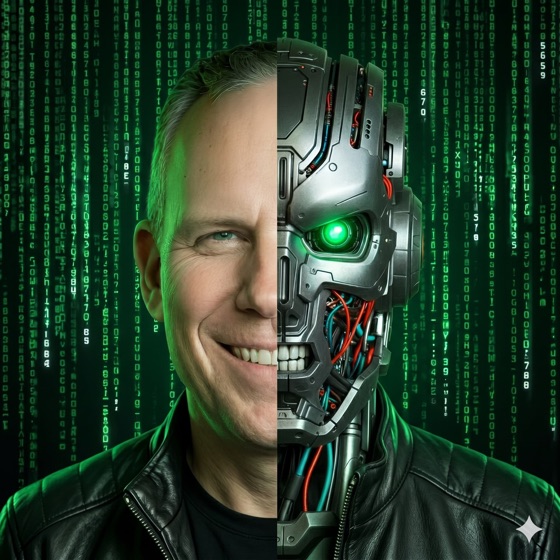
So, brace yourself for some big news: You are also a cyborg. Again, not because of the implants or the contacts. If you are leaning on a second brain, a chatbot, Google Maps, or your phone to get through your day, you are one of us. The word cyborg was first coined in a science paper, conceptualizing humans who could adapt to space environments, rather than adapting the space environments to humans.1 Donna Haraway took it in a different “internal” direction, defining the cyborg as “a cybernetic organism, a hybrid of machine and organism, a creature of social reality as well as a creature of fiction.”2 She wasn’t talking science fiction. She was talking about you. The question was never whether you would integrate with technology. The question is who is in charge.
However, there is a lot to be learned about being a cyborg from science fiction. But I want to make one thing clear: The Terminator is not a cyborg. It’s just a robot with skin on.
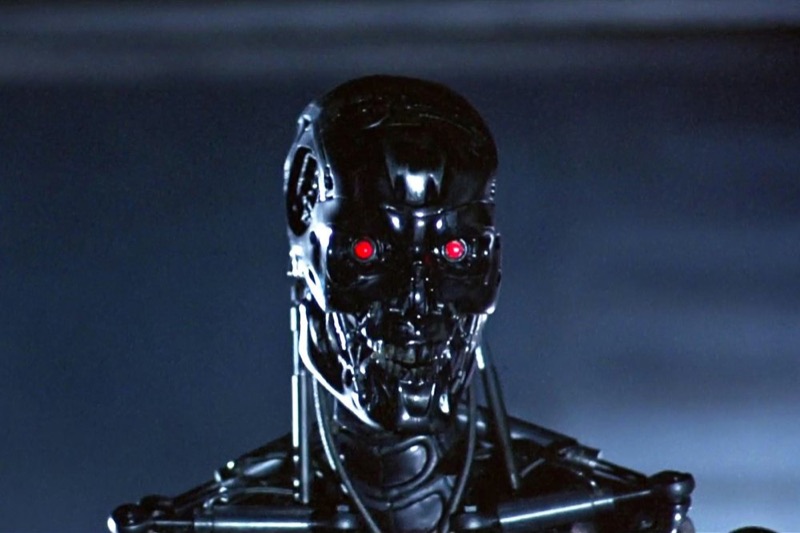 The Terminator
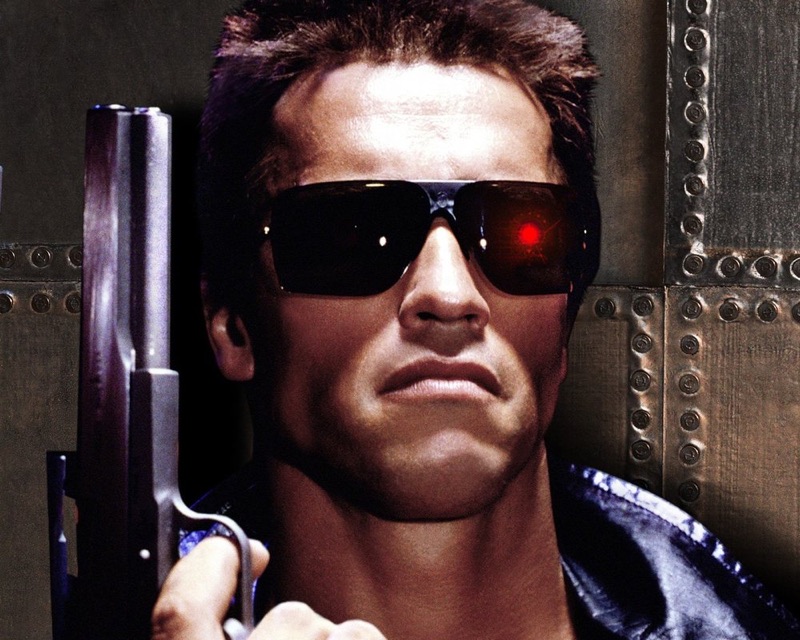 The Terminator
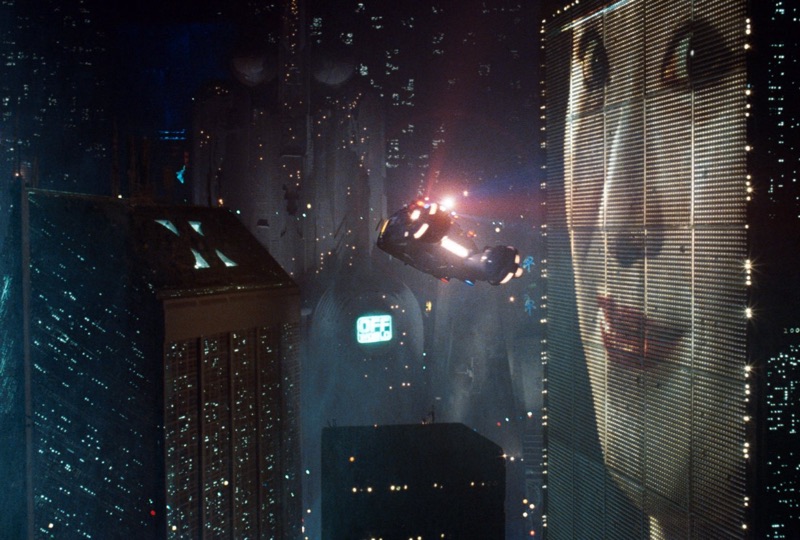 Blade Runner
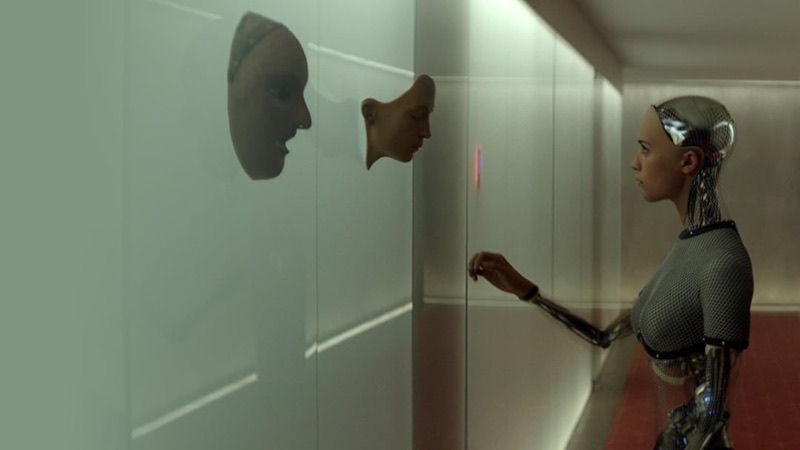 Ex Machina
I’ll admit that the official EBSCO definition is “A cyborg, short for cybernetic organism, is a being that integrates both biological and artificial components.”3 But, I’m talking about a human cyborg, not just any being. It starts with a birthed human, not just parts of one, before cyborgination begins. Some great movie/tv examples are the Six Million Dollar Man, Inspector Gadget, and Darth Vader.
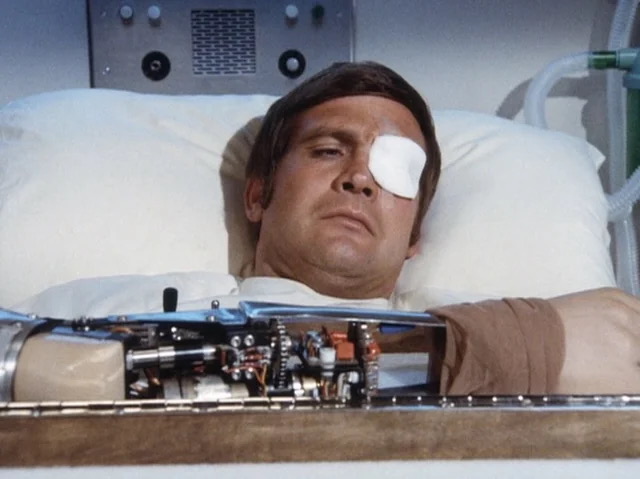 The Six Million Dollar Man
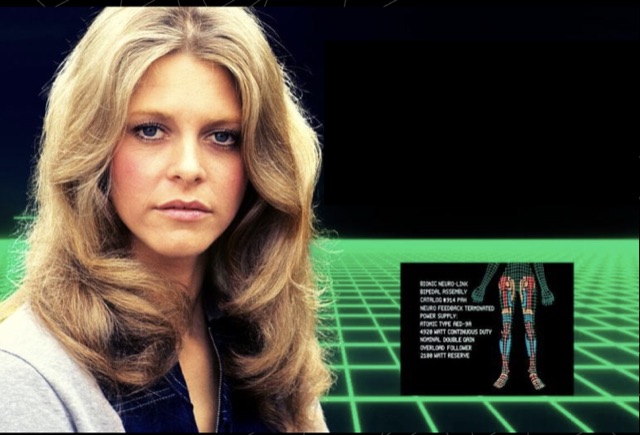 The Bionic Woman
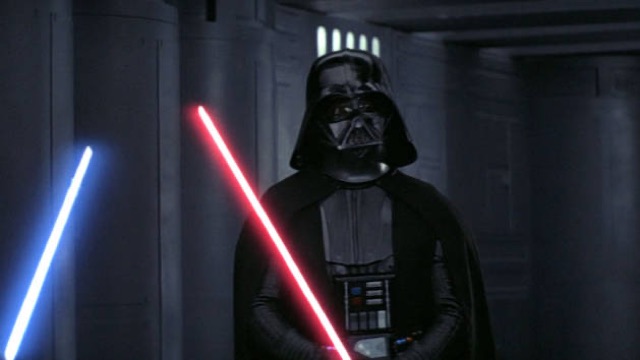 Star Wars
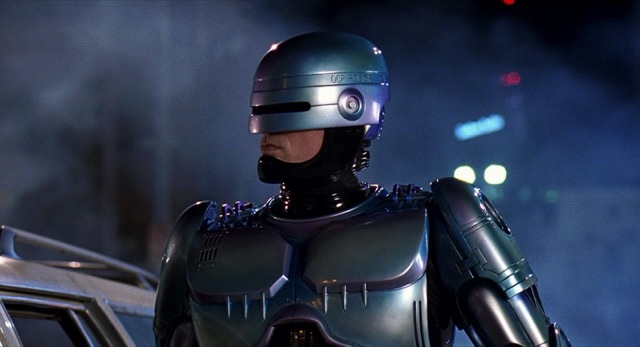 RoboCop
 Cyborg
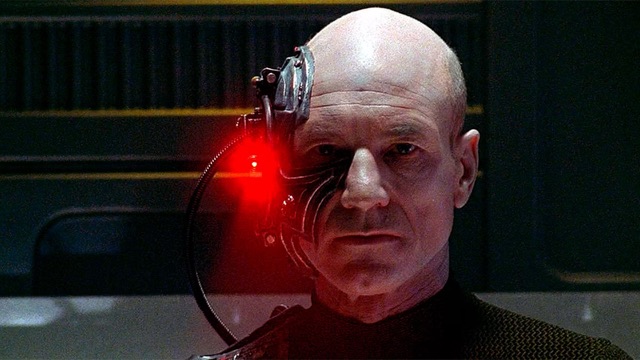 Star Trek: The Next Generation
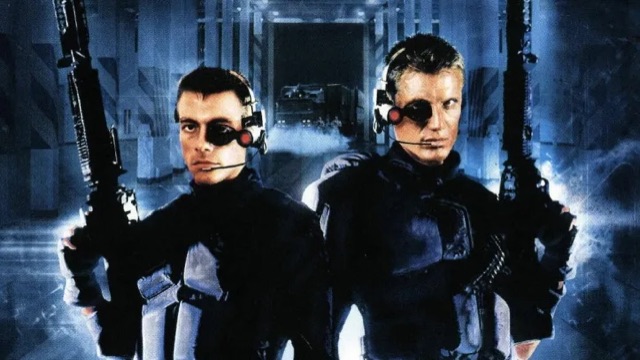 Universal Soldier
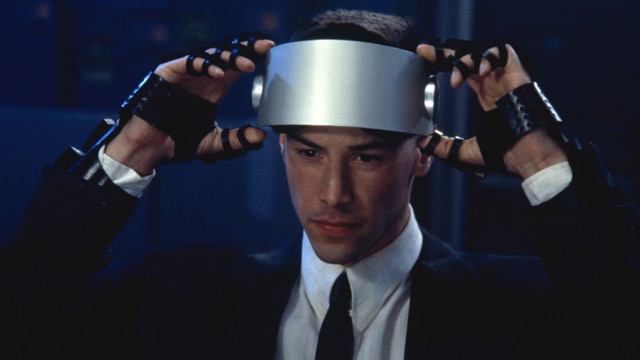 Johnny Mnemonic
 Ghost in the Shell (1995)
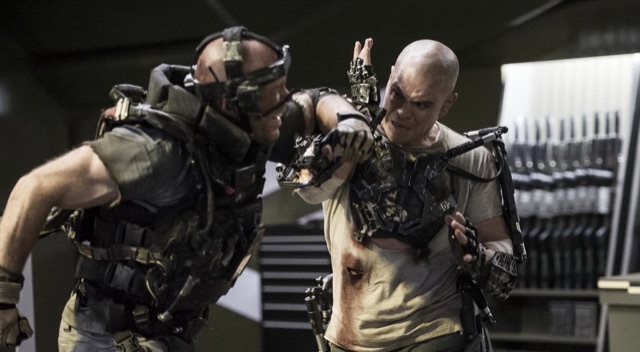 Elysium
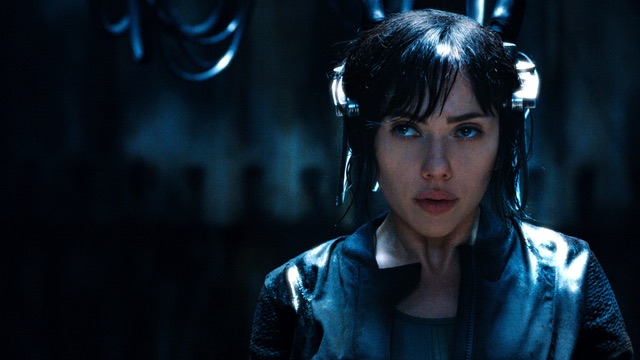 Ghost in the Shell (2017)
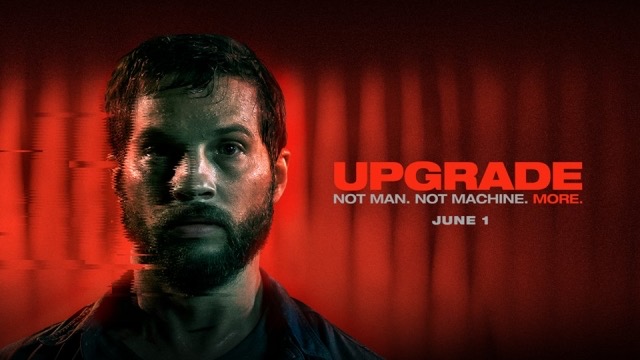 Upgrade
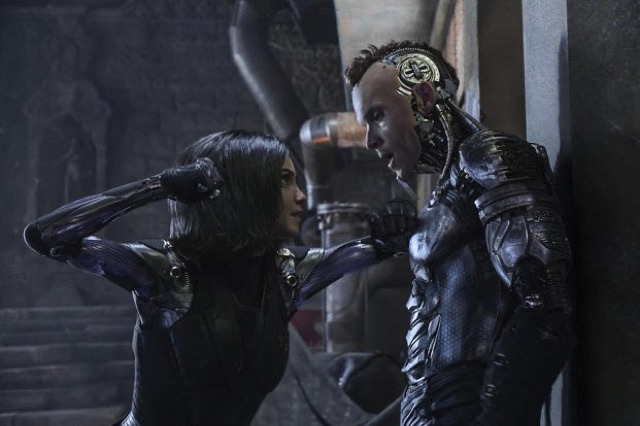 Alita: Battle Angel
Most cyborg movie plots take the following plot:
- A good person doing their job
- Terrible accident / tragedy
- Cyborgination
- The divided self
- Enhanced work
- Autonomy won
And if you take a moment to study the plotline, you’ll realize that we are right in the thick of it: wrestling with the undivided life.
Here is the thing that matters most. There is a difference between a bot and a cyborg. A bot replaces the human. A cyborg is the human, enhanced. When the machine is writing your emails, handling your feedback, and quietly managing the parts of your life that actually needed you in them, you are not a cyborg anymore. You are an operator standing to the side while someone else runs your life. The cyborg keeps their hand on the wheel, even when the car could technically drive itself.
The risk is what Kevin Roose calls Machine Drift: the slow, quiet loss of your own agency and voice that happens when you let the machine do too much, for too long, without checking back in with yourself.4 You don’t notice it at first. Your writing starts to sound like everyone else’s. You can’t stare at a blank page without asking for a prompt to get you going. You let the AI send the encouragement your student needed to hear from you specifically. None of it is dramatic. That’s the danger.
Being a cyborg means taking the middle road. Not the Luddite ditch where you refuse it all out of fear, and not the techno-optimist lane where you hand everything over and call it progress. The Greeks had a word for this: mesotes.5 Not too high, not too low. You use the machine’s power to buy back time, not to disappear, but to show up more fully for the work that only a human can do. The trust. The relationships. The courage. The care. Accepting our hybrid nature never means surrendering what makes us human to machines. It means taking control over the partnership. The goal is an undivided life,6 not a human self and a tech self fighting for control. Just you, with full awareness of what you are choosing to keep. Where are you in the continuum?
 Human
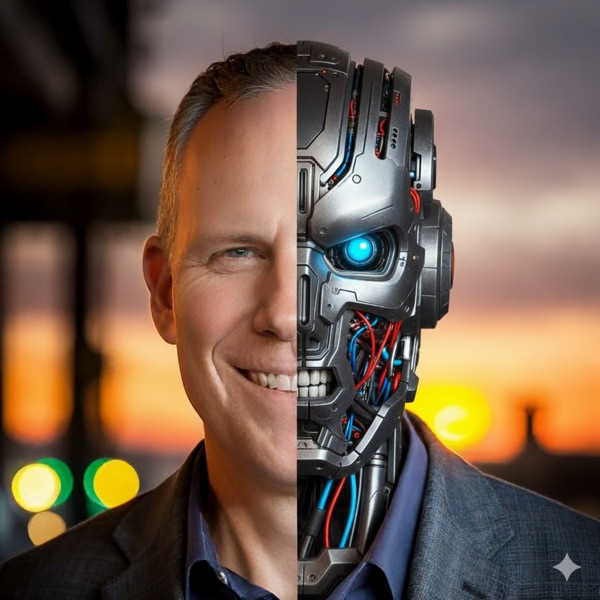 Cyborg
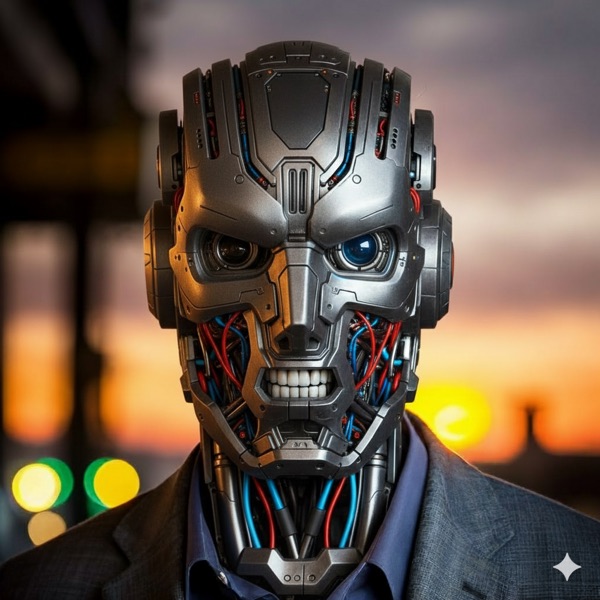 Machine
I’m trying to be a cyborg. For me, a cyborg is anyone trying to balance the human and machine in daily life. If you’re trying to be one too, you can’t hand it all over to the machine, but it’s so tempting. If you’d like to learn how to be a cyborg, survive the singularity, and save the world, please join me in the struggle.
~ Jason
About this newsletter and how it’s written
This newsletter started as a personal resource, to help me balance my increasingly-AI-infused life and work. I use Claude extensively for formatting, creating pages, checking spelling, correcting references, and keeping me honest. Any time you see my name after something (like ~ Jason) that is 100% my writing. I believe writing is a way of thinking externally, and this is a big reason this even exists: to help us think through it all.
References
- Manfred E. Clynes and Nathan S. Kline, "Cyborgs and Space," Astronautics (September 1960): 26–27, 74–76. ↩
- Donna Haraway, "A Manifesto for Cyborgs: Science, Technology, and Socialist Feminism in the 1980s," Socialist Review 80 (1985); revised as "A Cyborg Manifesto: Science, Technology, and Socialist-Feminism in the Late Twentieth Century," in Simians, Cyborgs, and Women: The Reinvention of Nature (New York: Routledge, 1991), 149. ↩
- Jack Lasky, “Cyborg (Cybernetic Organism),” Research Starters: Communication and Mass Media (EBSCO, 2023), ebsco.com. ↩
- Kevin Roose, Futureproof: 9 Rules for Humans in the Age of Automation (New York: Random House, 2021). Machine Drift is Roose's Rule 2: resist the unconscious tendency to let machines narrow your choices and erode your agency. ↩
- Aristotle, Nicomachean Ethics, Book II, chapters 6–9. Mesotēs is Aristotle's "mean": virtue as the midpoint between excess and deficiency. ↩
- Parker J. Palmer, A Hidden Wholeness: The Journey Toward an Undivided Life (San Francisco: Jossey-Bass, 2004). ↩
WOULD YOU LIKE TO JOIN THE CYBORG UPRISING?
SUBSCRIBE TO THE NEWSLETTER